In this guide
Before the rains arrive, check eight things: tyres, brakes, wipers, lights, battery, cooling system, underbody and your emergency kit. This bit of car maintenance in Zimbabwe takes an afternoon, costs far less than a breakdown in a storm, and keeps you safer on wet, potholed roads in Harare, Bulawayo, Mutare and Gweru from November to March.
Why the rainy season catches drivers out
The first storms lift oil and dust off the tar, so roads are most slippery in the opening weeks. Potholes fill with water and hide their depth, and visibility drops fast. Small faults ignored in the dry months suddenly matter.
Car maintenance in Zimbabwe: the eight checks
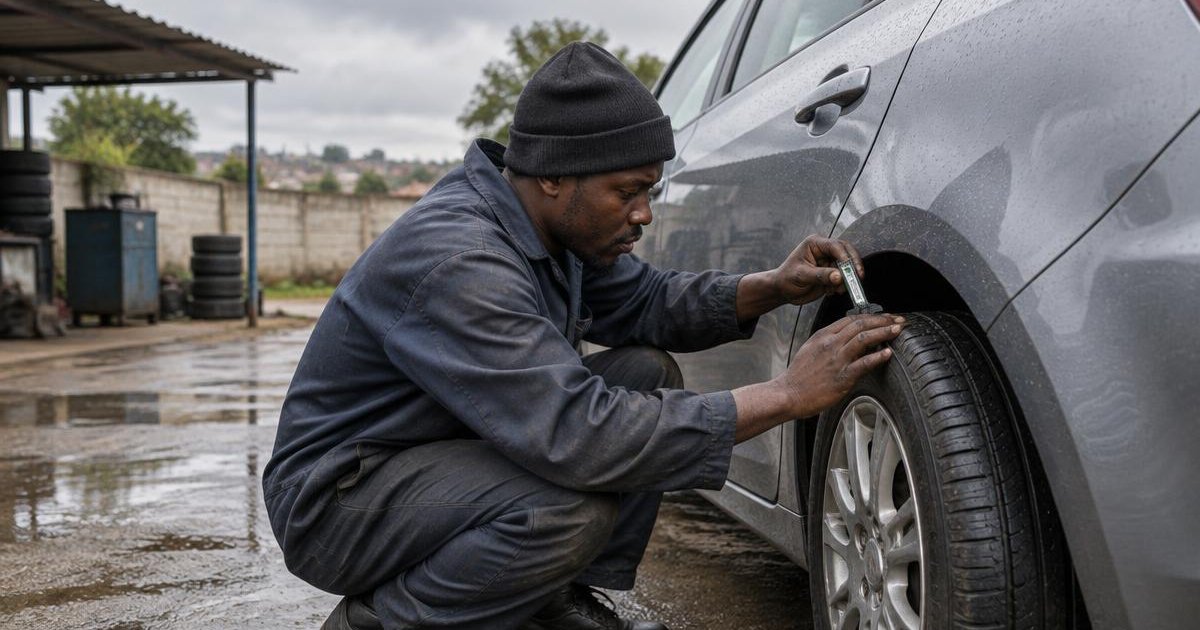
1. Tyres
Tyres are the only thing between you and a wet road. Check the tread with the wear indicators in the grooves, look for cracks, bulges and uneven wear, and set the pressures to the figures on the driver's door pillar. If you need replacements, compare tyres for sale in Harare from reputable dealers, and avoid very old tyres even if the tread looks fine.
2. Brakes
Listen for squealing or grinding and notice whether the pedal feels soft or the car pulls to one side. Ask your mechanic to check the pads, discs and brake fluid.
3. Wipers and washers
Replace blades that smear or judder. Top up the washer bottle and make sure the jets are aimed at the glass.
4. Lights
Walk around the car with the headlights, brake lights, indicators and hazards on. Clean cloudy headlight lenses so other drivers can see you in the rain.
5. Battery and electrics
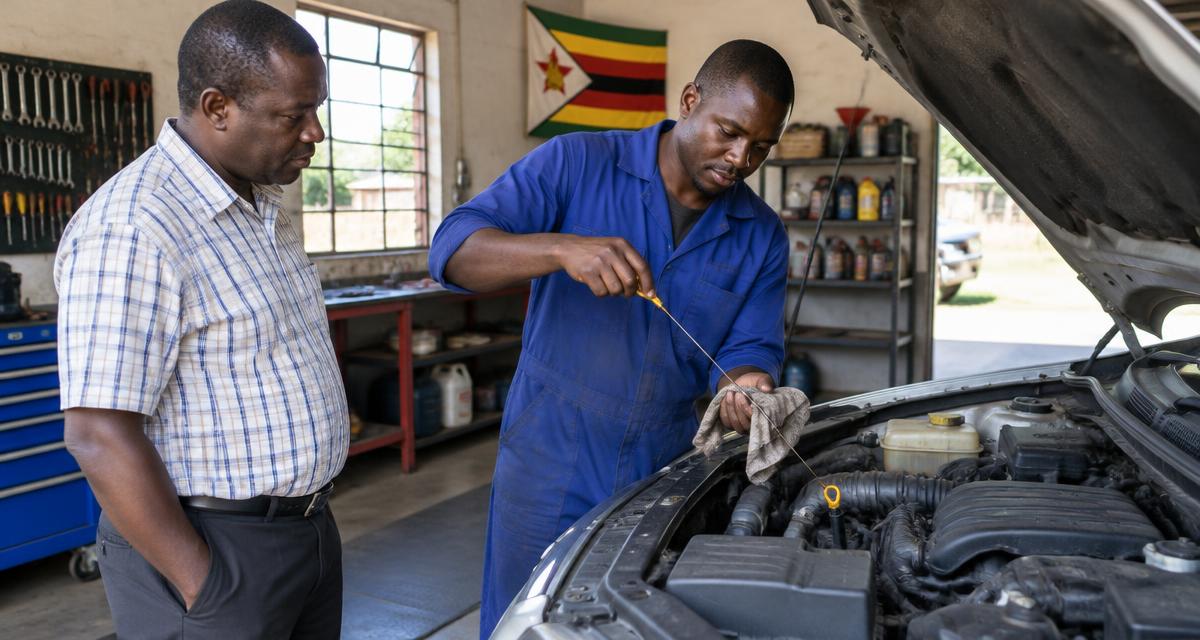
Damp weather finds weak batteries. Clean corroded terminals, check the battery is clamped down, and have it tested if it is a few years old or slow to start.
6. Cooling system and engine
Check the coolant level and hoses, and get any warning lights looked at before the storms. A misfire or rough idle often gets worse when it is wet.
7. Underbody, seals and drains
Look under the car for loose plastic covers and rust. Check door and boot seals, and clear the drain holes at the base of the windscreen so water does not end up in the cabin.
8. Emergency kit
Carry the items ZRP checks at roadblocks, such as warning triangles and a fire extinguisher, plus a working spare wheel, jack, torch, phone charger and a reflective vest.
| Check | What to look for | When to act | |---|---|---| | Tyres | Shallow tread, cracks, bulges | Before the first storm | | Brakes | Noise, soft pedal, pulling | Immediately | | Wipers | Smearing, juddering | Now, they are cheap | | Battery | Slow starts, corrosion | If more than a few years old |
Before the first storm
0 of 8 ticked
Driving safely in heavy rain
- Slow down and double your following distance. Wet roads need far longer to stop.
- Never drive through flowing water. It only takes a shallow, fast stream to move a car. If you cannot see the road, turn back.
- Use dipped headlights, not hazards, while you are moving.
- Treat every puddle as a pothole. Steer around water where it is safe to do so.
- Test your brakes gently after driving through standing water.
When the car is past its best
If the checks keep turning up expensive faults, it may be time to replace the car. Start with our guide to buying a car in Zimbabwe and the car buyer's document checklist.
Want a second opinion first? Message us on WhatsApp on +263 788 061 811 or visit us on the 6th Floor, 103 Jason Moyo Avenue, Harare.
Questions people ask
Questions and answers
When is the rainy season in Zimbabwe?
The main rains usually fall from about November to March. It varies by region and year, so start your checks in late October.
How often should I check my tyres?
Check pressures every couple of weeks and before long trips, and look at the tread and sidewalls at the same time. Worn tyres make skidding far more likely on wet roads.
Is it safe to drive through a flooded road?
Not if the water is flowing or you cannot see the road surface. Turn back and find another route, because water can hide deep potholes and wash a car off the road.
What should I do if my car stalls in water?
Do not try to restart it, as water in the engine can cause serious damage. Switch on your hazards, get to safety and call a mechanic or tow service.
Know someone buying a car?
Send them this guide.
Was this helpful?
Loading cars…