Buying a car in Zimbabwe comes down to eight steps: set your budget, choose the right type of car, find a trustworthy seller, inspect and test-drive it, check the papers, agree the sale in writing, complete the change of ownership, and licence and insure the car before you drive. Get those right and you avoid the problems that catch most buyers: hidden faults, missing papers and cars that cannot legally change hands.
This guide walks through each step in order. Keep it open while you shop.
1. Set a budget that covers more than the price
The price on the windscreen is only part of what the car will cost you. Before you start looking, add up:
- The car itself, with room to negotiate.
- Transfer costs: the change-of-ownership duty paid to ZIMRA, which depends on the car's age and engine size, plus small fees at the police and the Central Vehicle Registry (CVR).
- Getting on the road: ZINARA vehicle licence, radio licence and insurance.
- A first service: oil, filters and anything the inspection turns up. Set aside about 5% of the price.
- Running costs: fuel, parking, tolls and servicing every month.
If the total stretches you, look one size or a few years down. Our guide to setting a realistic car budget walks through the numbers line by line.
2. Choose the right type of car for how you drive
Start with how you will use the car, not with a model you like the look of.
- Mostly town driving in Harare or Bulawayo? A small hatchback or hybrid such as a Honda Fit or Toyota Aqua is cheap to run and easy to park.
- Family, school runs and weekend trips? A small SUV or station wagon gives you space and ground clearance.
- Gravel roads, the farm or carrying goods? A double-cab or single-cab pickup earns its keep.
- Running a business? A van or kombi may pay for itself.
Then narrow it to two or three models and check how easy their parts are to find locally. Popular models are cheaper to fix and easier to sell later.
Loading cars…
3. Find a seller you can trust
You can buy from a dealer, a private seller or through a marketplace.
- Dealers usually have the papers ready and may offer a short warranty, but prices are higher.
- Private sellers can be cheaper, but you carry all the checks yourself.
- A marketplace such as the Invarium marketplace lists cars from vetted dealer partners in one place, so you can compare like for like before you visit.
Whoever you buy from, be wary of a price far below similar cars, a seller who will only meet somewhere odd, or pressure to pay before you have seen the car. These are the usual signs of a scam.
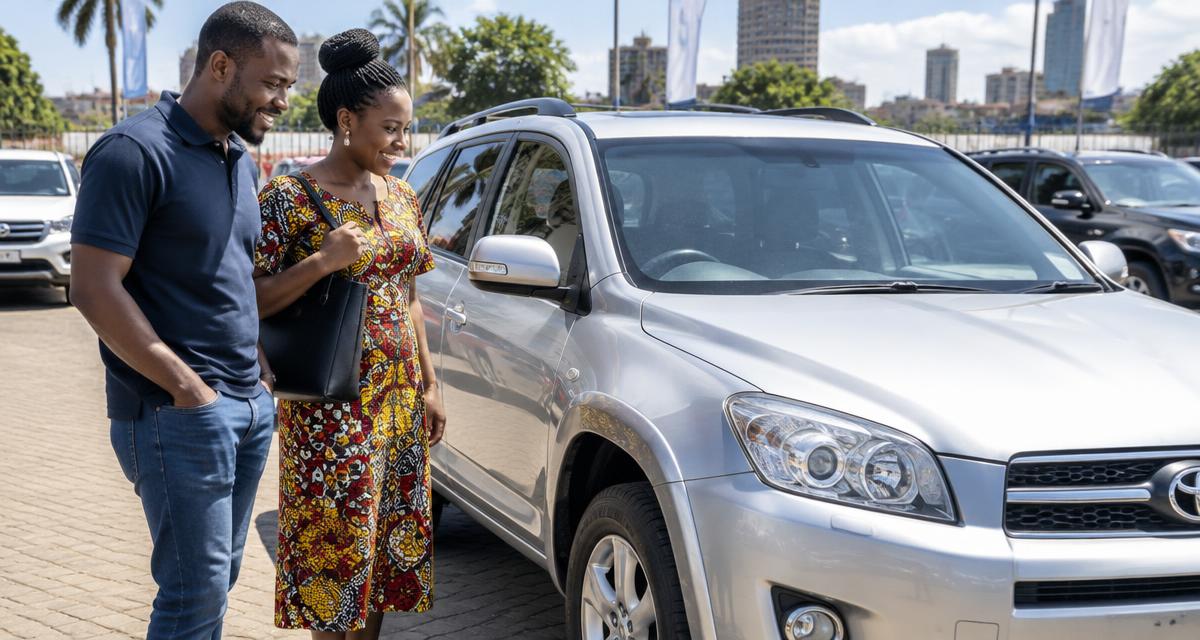
4. Inspect the car and take a proper test drive
See the car in daylight, cold (not just driven), and with the seller present.
- Outside: uneven gaps between panels, paint that does not match and rust underneath all point to past accidents.
- Under the bonnet: oil leaks, a milky oil cap, and the battery's age.
- Inside: the dashboard warning lights should come on and then go out once the engine starts. Check the air conditioning, windows and seatbelts.
- Tyres: even wear and enough tread. Uneven wear suggests alignment or suspension problems.
- Test drive: at least 15 minutes, including a hill, a stretch at highway speed and hard braking. Listen for knocks and check that the steering pulls neither way.
Ask the seller how long they have owned it, why they are selling, and for the service records. If you are not confident, pay a trusted mechanic to inspect it. It is the cheapest insurance against a bad buy.
Questions to ask the seller
0 of 6 ticked
5. Check the papers before any money changes hands
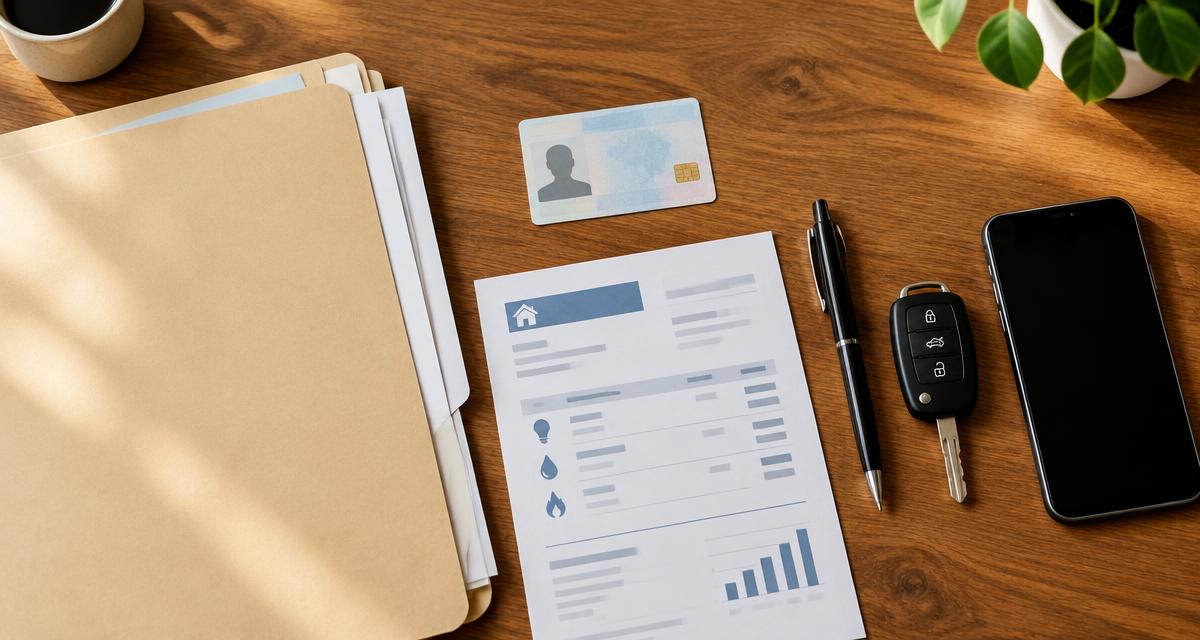
The papers decide whether the car can legally become yours. Ask to see:
- The original vehicle registration book, not a copy. The name in it should match the seller's ID. If it doesn't, find out why before going further.
- The engine and chassis numbers, matched against the registration book. Check them on the car yourself.
- The seller's national ID and proof of address.
- The latest ZINARA licence disc, with no unpaid licence fees.
- For an imported car, the ZIMRA duty clearance papers.
If anything does not line up, walk away. A car with papers that don't match can't be transferred into your name, however good the price.
6. Agree the sale in writing and pay safely
Put the sale in a signed agreement, even if you know the seller. It should include:
- the full names, ID numbers and addresses of buyer and seller
- the make, model, year, colour, registration number, and engine and chassis numbers
- the agreed price and how it is being paid
- the date and time the car is handed over, and a note that it is sold as seen or with any agreed repairs
- both signatures and a witness.
Pay in a way that leaves a record, such as a bank transfer or a receipt for every payment. Keep copies. You'll need proof of payment for the change of ownership.
7. Complete the change of ownership
Until the car is registered in your name, the law treats it as the seller's. The usual sequence is:
- Police clearance: take the car to the ZRP Vehicle Theft Squad. They check the engine and chassis numbers and stamp the CVR change-of-ownership form. The clearance is only valid for a short time, so do this close to when you will submit.
- Pay the change-of-ownership duty at ZIMRA: the amount depends on the car's age and engine size. Some transfers, such as between spouses or by inheritance, are exempt.
- Submit at the Central Vehicle Registry: hand in the stamped form, the original registration book, both IDs, proof of residence for both of you, the sale agreement and proof of payment. The CVR issues the registration book in your name.
Buyer and seller both need to sign, so agree with the seller up front how you'll do this together. Our guide to change of ownership covers each office and form in detail.
8. Licence and insure the car before you drive it
Before the car goes on the road in your name:
- Third-party insurance is compulsory, and comprehensive cover is worth considering for any car you couldn't afford to replace.
- Renew the ZINARA vehicle licence and the radio licence that is paid with it, and keep the discs on the windscreen.
- Book a first service so you start with a known baseline.
Keep copies of the registration book, sale agreement and receipts somewhere safe. You'll need them when you sell.
Ready to start?
Browse cars from vetted dealer partners on the Invarium marketplace, or message us on WhatsApp with what you're looking for and your budget. We'll point you to cars that fit.
Questions people ask
Questions and answers
How long does it take to buy a car in Zimbabwe?
Choosing and inspecting usually takes one to three weeks. Once you've agreed a price, police clearance, the ZIMRA duty and CVR registration can be done in a few working days if your papers are complete.
What documents do I need to buy a used car?
The original vehicle registration book, the seller's ID and proof of address, your own ID and proof of address, a signed sale agreement, proof of payment, and the police-stamped CVR change-of-ownership form.
Do I need police clearance to buy a car?
Yes, for a change of ownership. The ZRP Vehicle Theft Squad checks the engine and chassis numbers and stamps the CVR form. The clearance expires after a short time, so get it close to when you submit.
Can I drive the car home before the change of ownership is done?
Only with valid insurance and licence discs, and the seller's written permission. Until the CVR registers the car in your name it is legally the seller's, so finish the transfer as soon as you can.
Is insurance compulsory in Zimbabwe?
Third-party insurance is required by law for every car on the road. Comprehensive cover is optional but recommended for newer or more valuable cars.
Know someone buying a car?
Send them this guide.
Was this helpful?
Loading cars…